 Part of Choice of America
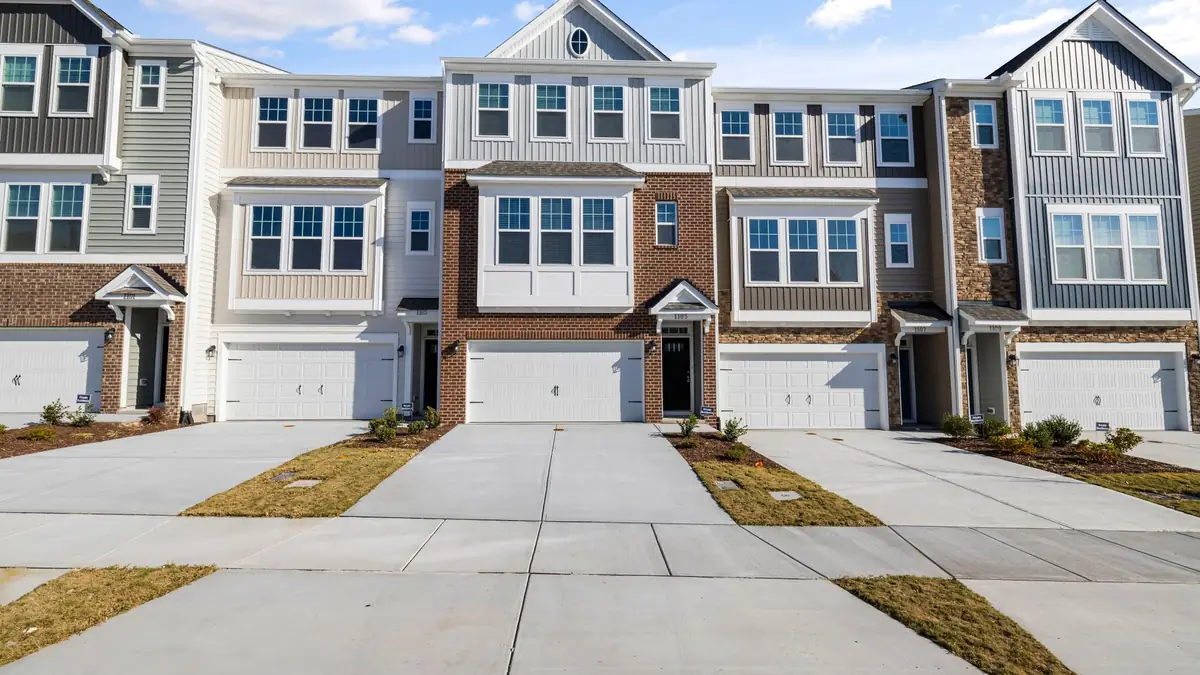
A condo or townhome can be the most affordable way to own in coastal Southern California, but when you buy one you also join a homeowners association that controls money, rules and repairs. This guide explains the documents California sellers must provide and how to read them before your contingencies expire.
You are buying into a small corporation
Most California condos and planned developments are common interest developments governed by the Davis-Stirling Common Interest Development Act, which starts at Civil Code section 4000. The association owns or maintains common areas, collects assessments, carries master insurance and enforces the CC&Rs. Its financial health and rules affect your costs, your loan options and your resale value.
The documents the seller must provide
Under Civil Code section 4525, a seller in a common interest development must give the buyer, as soon as practicable before transfer, a package of association documents. The list includes, among other items:
- The governing documents: CC&Rs, bylaws, articles of incorporation and operating rules.
- Any age restrictions and any restrictions on renting or leasing units.
- The current operating budget, the reserve study summary and the assessment and reserve funding disclosure.
- The most recent financial statement review.
- The association's insurance summary.
- Notices about current and approved assessments, including any special assessments, and any assessment the seller owes.
- Notices of violations the association has sent about the unit.
- Information about construction defect claims and litigation where required.
The association may charge for preparing these documents and must disclose its fees. Ask your agent to request the package early, because you need time to read it within your contingency period.
How to read the money
Regular assessments
Compare monthly dues with what they cover: some associations include water, trash, earthquake insurance or cable; others do not. Dues are one part of your housing payment, and lenders include them when they calculate how much you can borrow.
Reserves and the reserve study
Associations must have a reserve study prepared with a visual inspection of major components at least once every three years and reviewed annually under Civil Code section 5550. The study estimates how much money the association should have set aside to replace roofs, paving, pools, elevators and other components. A low percent-funded figure can signal future special assessments or dues increases.
Special assessments
In general, without a vote of the members, a board may not impose special assessments that total more than 5 percent of the budgeted gross expenses for the fiscal year, or raise regular assessments by more than 20 percent over the prior year, under Civil Code section 5605. Emergencies are an exception. Ask whether any large projects are planned and how they will be funded.
Insurance: the master policy and yours
The association's master policy covers common areas and sometimes parts of the building structure; your own condo policy, often called an HO-6, covers your interior, belongings and liability. Read the insurance summary to see the deductible and whether earthquake coverage is included. Insurance availability has tightened in California, so ask whether the association's premiums have risen sharply.
Rental rules
Under California law, an association generally cannot prohibit an owner from renting a unit or an accessory dwelling unit. Since 2021, Civil Code section 4741 limits rental bans, while allowing reasonable restrictions such as a ban on rentals shorter than 30 days or a cap on rentals that is not less than 25 percent of the units. Owners who bought before a rental restriction was adopted are generally protected by Civil Code 4740. If you might rent the unit later, read these rules closely.
Balconies and decks
Associations must have exterior elevated elements, such as balconies and walkways supported by wood, inspected on a schedule under Civil Code section 5551. Ask whether the inspection has been done and whether repairs were recommended.
Financing a condo
Lenders review the project as well as the borrower. For an FHA loan, the condominium project generally must be FHA-approved, or the unit must qualify for single-unit approval. You can search the HUD condominium approval list. VA loans use their own list. Conventional lenders review items such as owner-occupancy, delinquent dues, litigation and the share of units owned by one entity. Tell your lender the project name early.
Condo buyer checklist
- Request the full Civil Code 4525 package and the last year of board minutes.
- Review the budget, reserve study and any pending special assessments.
- Check the insurance summary and get a quote for your own policy.
- Read the CC&Rs for pets, parking, rentals, renovations and use rules.
- Confirm the project works for your loan type.
- Inspect the unit, and ask the association who repairs what.
Next, see our guide to California closing costs for buyers to estimate what you will pay at closing, and the California home inspection checklist for the inspection itself. First-time buyers can also check first-time home buyer programs in Southern California.
Ready to tour homes for sale? Call or text 833-THIS-BROKER or visit Choice of America.
Frequently asked questions
What HOA documents does a California condo seller have to provide?
Civil Code 4525 requires the seller to provide the governing documents, rental and age restrictions, the budget and reserve information, the financial statement review, the insurance summary, assessment notices, violation notices and certain litigation information, among other items.
Can a California HOA stop me from renting my condo?
Generally no. Civil Code 4741 limits rental bans, but associations may adopt reasonable rules such as banning rentals shorter than 30 days or capping rentals at no less than 25 percent of units.
How much can an HOA raise dues without a vote?
Without a member vote, a board generally cannot raise regular assessments more than 20 percent over the prior year or levy special assessments over 5 percent of budgeted gross expenses, except in emergencies.
Official sources
- Civil Code 4525: documents provided to buyers
- Civil Code 4741: rental restrictions
- Civil Code 5550: reserve studies
- Civil Code 5605: assessment limits
- HUD: FHA-approved condominium search
This article is general information for Southern California readers, current as of November 2026, not legal, tax or lending advice. Laws and program rules change; confirm details with official sources or a qualified professional. AllPropertiesForSale.net is part of Choice of America (DRE #02240008; Hamid Rowshan, Broker, DRE #02004794).