 Part of Choice of America
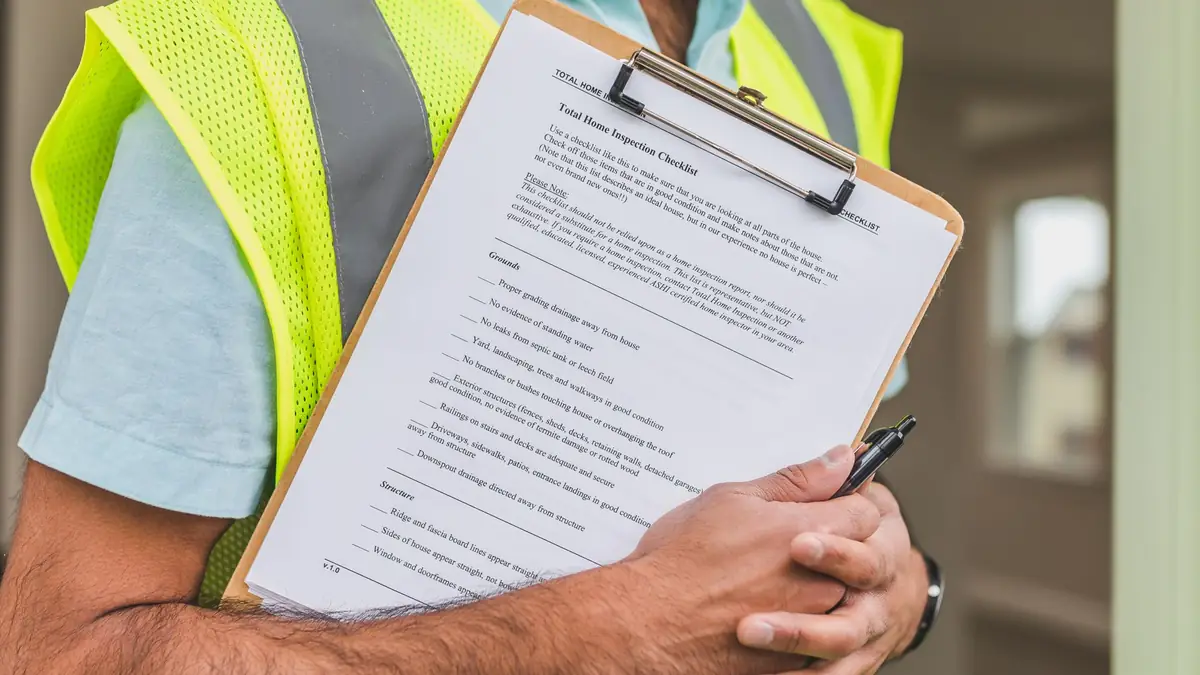
The inspection period is your best chance to learn what you are really buying. In California, a general home inspection is only the start: depending on the home, you may also need a termite report, a sewer line video, a roof inspection or a structural engineer. This checklist explains each one and how to fit them into your contingency timeline.
Know your timeline first
Your purchase contract sets how many days you have to investigate the property and to cancel or ask for repairs. The standard California residential purchase agreement commonly uses a 17-day investigation period unless the parties agree to a different number. Book inspectors the day your offer is accepted, and ask your agent to calendar every deadline.
1. The general home inspection
A general home inspector looks at the visible, accessible systems of the home: roof covering, exterior, structure, foundation where visible, electrical, plumbing, heating and cooling, water heater, fireplaces, attic, insulation, doors, windows and built-in appliances. California's home inspection standards are set out in Business and Professions Code sections 7195 to 7199, which define a home inspection and bar inspectors from doing repair work on homes they inspect. California does not license general home inspectors, so ask about training, membership in a professional association and insurance, and read a sample report.
Attend the end of the inspection if you can, and ask the inspector to show you the main shutoffs for water, gas and electricity.
2. Wood destroying pests and organisms (termite) report
Termites and fungus damage are common in Southern California. Inspections for wood destroying pests and organisms are performed by companies licensed by the Structural Pest Control Board. Reports typically separate Section 1 items, active infestation or damage, from Section 2 items, conditions likely to lead to infestation. Negotiation often centers on who pays for Section 1 work. You can look up a company's license on the board's website.
3. Sewer lateral video inspection
The pipe between the house and the street sewer is usually the owner's responsibility, and older clay or cast iron lines can crack or fill with roots. A sewer scope runs a camera through the line. It is inexpensive compared with replacing a line, and it is worth doing on most older homes.
4. Roof inspection
The general inspector looks at the roof covering, but a licensed roofing contractor can estimate remaining life, spot underlayment problems and price repairs. This matters for insurance, too: some insurers ask about roof age and condition.
5. Foundation, drainage and hillside issues
If the general inspector notes cracks, sloping floors, sticking doors or drainage problems, bring in a structural engineer. For hillside lots, retaining walls or homes near bluffs, consider a geotechnical engineer. Check the natural hazard disclosure for seismic hazard and landslide zones.
6. Other specialists to consider
- Chimney inspection with a camera for homes with masonry fireplaces.
- HVAC service check for older heating and air conditioning units.
- Electrical evaluation by a licensed electrician if the panel is old, the wiring is original or the inspector flags concerns.
- Pool and spa inspection for equipment, surfaces and safety barriers.
- Mold testing if you see staining, smell mustiness or find past leaks.
- Oil wells and methane. Parts of Los Angeles and Orange County have historic oil fields; ask about wells and any methane zone requirements.
7. Lead-based paint in older homes
For most homes built before 1978, federal rules require the seller to disclose known lead-based paint hazards, provide an EPA pamphlet and give the buyer an opportunity, usually 10 days, to have a lead inspection or risk assessment, unless the buyer waives it. The EPA's real estate disclosure page explains the rule.
8. Permits and the as-built home
Compare what you see with the permit record. Ask the city or county building department for the permit history, and compare square footage on the listing with the assessor's record. Unpermitted additions, garage conversions and electrical work can affect insurance, financing, safety and resale. Licensed contractors can be checked with the Contractors State License Board.
9. Safety items sellers must handle
California sellers must certify that water heaters are braced, anchored or strapped for earthquakes and that smoke and carbon monoxide alarms are installed as required. Your inspector can confirm these items are in place.
10. Turning findings into a request
- Read every report in full and sort issues into safety, major cost and minor items.
- Get contractor estimates for major items before you negotiate.
- Submit a written request for repairs or credits before your deadline.
- Keep copies of all reports; they become part of your records as an owner.
For the full buying process, see how to buy a home in Orange County. Buying a condo? The association's documents matter as much as the inspection; see buying a condo in California. Budgeting for inspections is covered in our closing costs guide.
Ready to tour homes for sale? Call or text 833-THIS-BROKER or visit Choice of America.
Frequently asked questions
Do California home inspectors need a license?
California does not license general home inspectors, but Business and Professions Code 7195 to 7199 set standards for home inspections. Termite inspections must be done by companies licensed by the Structural Pest Control Board.
What is the difference between Section 1 and Section 2 in a termite report?
Section 1 items are active infestation or damage. Section 2 items are conditions likely to lead to infestation or damage. Buyers and sellers often negotiate who pays for Section 1 work.
How long do I have to do inspections in California?
It depends on your contract. The standard California residential purchase agreement commonly uses a 17-day investigation period unless the parties agree otherwise.
Official sources
- Business and Professions Code 7195: home inspections
- Structural Pest Control Board
- EPA: lead-based paint real estate disclosure
- Contractors State License Board
This article is general information for Southern California readers, current as of November 2026, not legal, tax or lending advice. Laws and program rules change; confirm details with official sources or a qualified professional. AllPropertiesForSale.net is part of Choice of America (DRE #02240008; Hamid Rowshan, Broker, DRE #02004794).